


Working After Hours: How We Minimise Disruption During Your Fit-out
Closing your doors for a fit-out is a cost most businesses can't afford. A daycare can't send children home for a fortnight. A café loses its lunch trade the moment the lights go off. An office full of staff still has deadlines to hit, whether or not there's a saw running in the next room.
The good news is that a fit-out no longer means shutting up shop. With the right planning, it's entirely possible to minimise disruption during your fit-out and keep the business running while the work happens around you. The key is when the work gets done, not just how.
This is where scheduling becomes as important as the build itself.

How Does Working After Hours Minimise Disruption During a Fit-out?
Working after hours means scheduling the noisiest, most disruptive stages of a fit-out, things like demolition, flooring and painting, for evenings, nights or weekends when your premises are closed or quiet. Your team keeps working through the day, customers keep coming in, and the heavy work happens when nobody's trying to run a business around it.
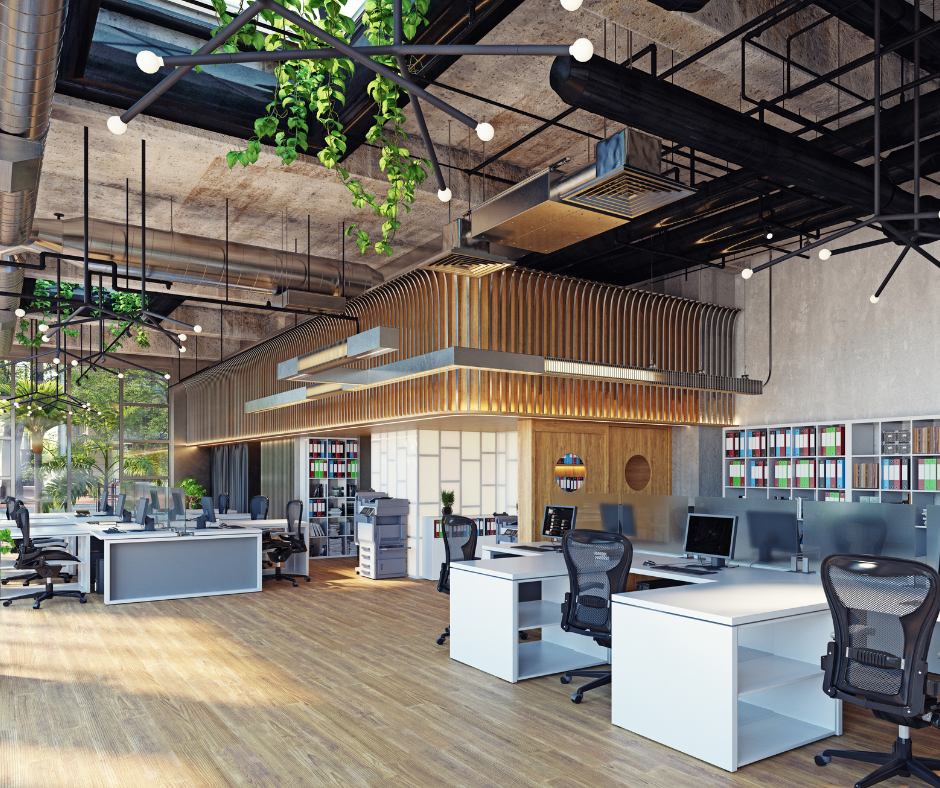
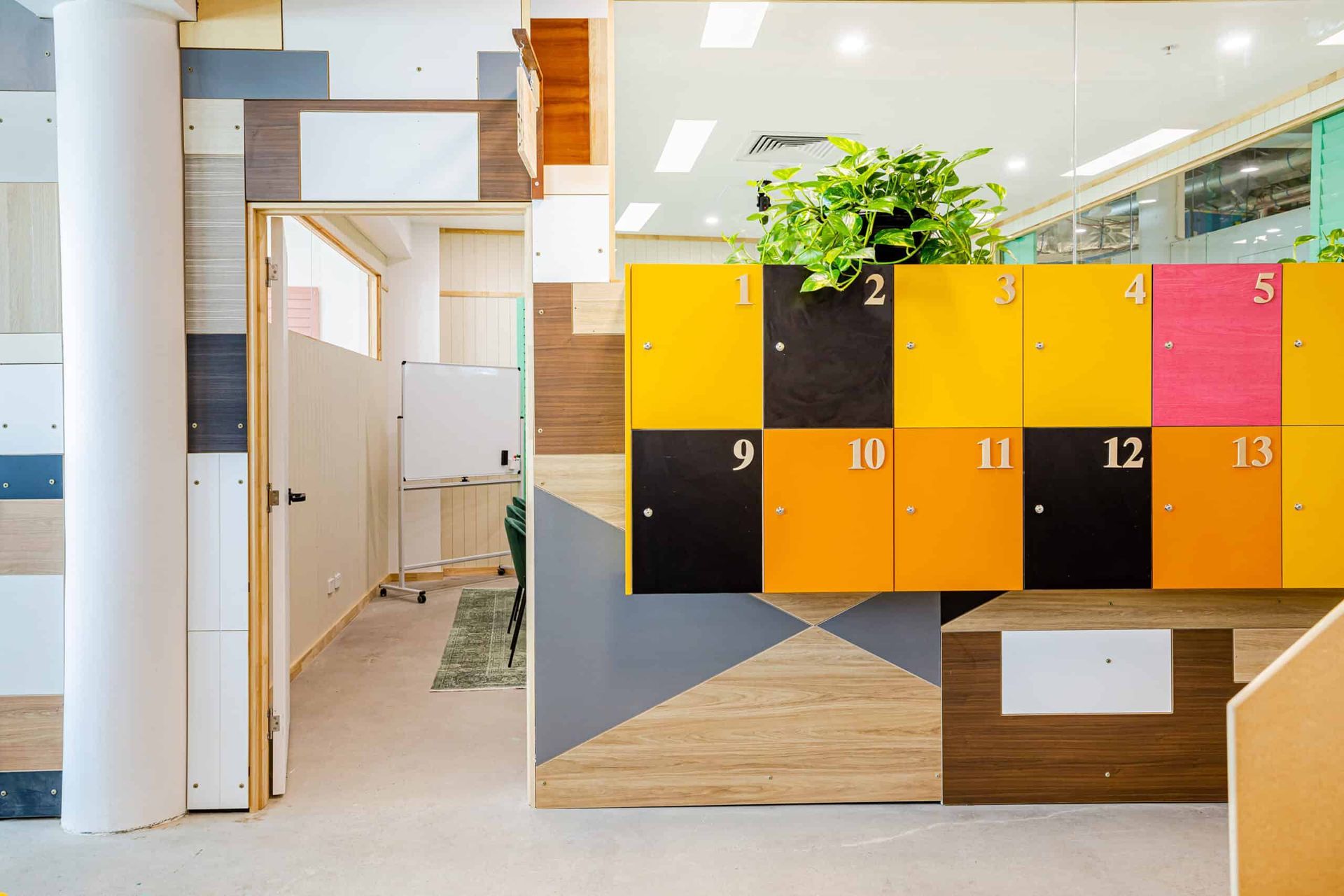
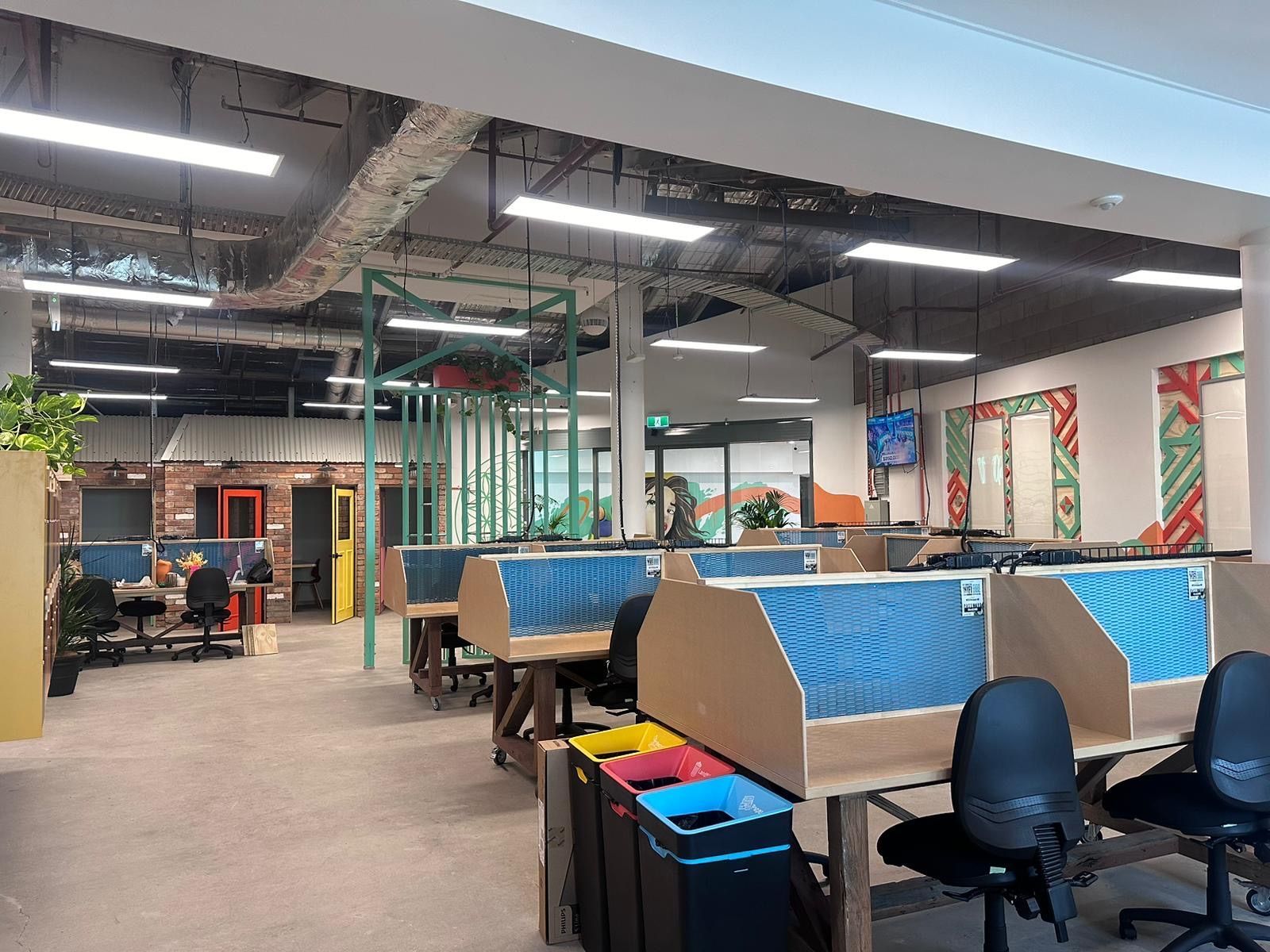
Laity Building works around client operating hours across Brisbane, including nights and weekends, so the fit-out progresses without putting daily operations on hold. For occupied offices, this often pairs with a phased approach, and our office fit-outs are planned around how the space is actually used day to day.
What After-Hours Fit-out Work Actually Involves
An after-hours fit-out simply means the work is carried out outside your standard trading day. Depending on the job, that might be early mornings, evenings, overnight shifts, weekends, or a mix of scheduled trade by trade. It's not a single fixed arrangement. It's a schedule built around your business.
Not everything needs to happen after hours, and that's the point. The disruptive stages get moved to quiet periods, while lower-impact work carries on during the day, where it makes sense. A good builder maps this out before the first tool comes out of the van, so you always know what's happening and when.
Here's how the two approaches typically compare:
| Daytime works | After-hours works | |
|---|---|---|
| Noise level | Disruptive to staff and customers | Happens while the premises are empty or quiet |
| Access | Competes with normal operations | Full, unobstructed site access |
| Staff impact | Interruptions, relocations, downtime | Minimal, the team returns to progress each day |
| Best suited to | Low-noise finishing, quieter trades | Demolition, flooring, painting, heavy works |
💡 The right split between the two is a judgment call that depends on your space, your trading hours and the scope of the work. It's one of the first things worth discussing with your builder.
Why Some Businesses Need Out-of-Hours Construction
For some businesses, fit-out downtime isn't a minor inconvenience, it's lost income or a service that simply can't stop. These are the situations where out of hours construction earns its keep.
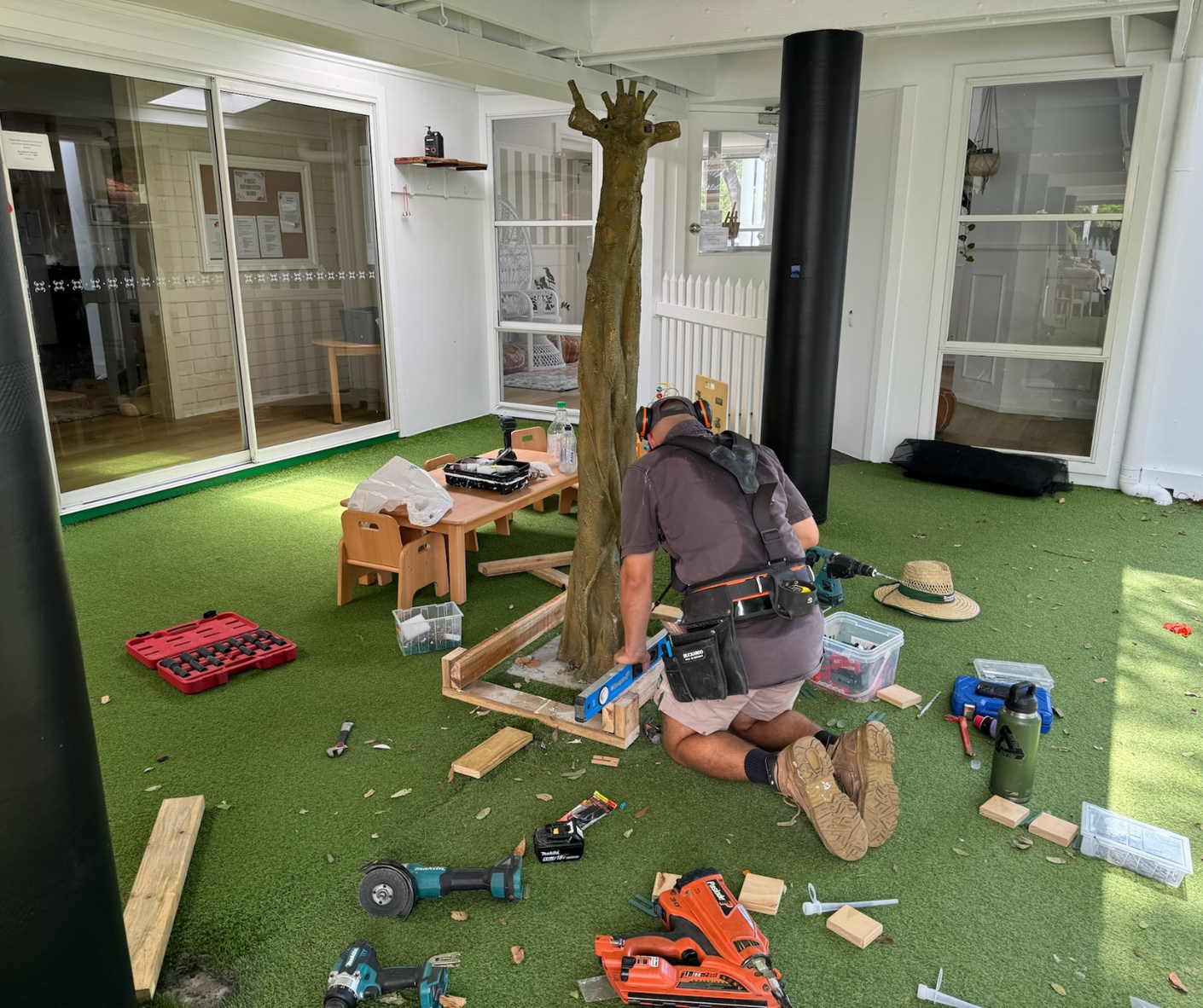
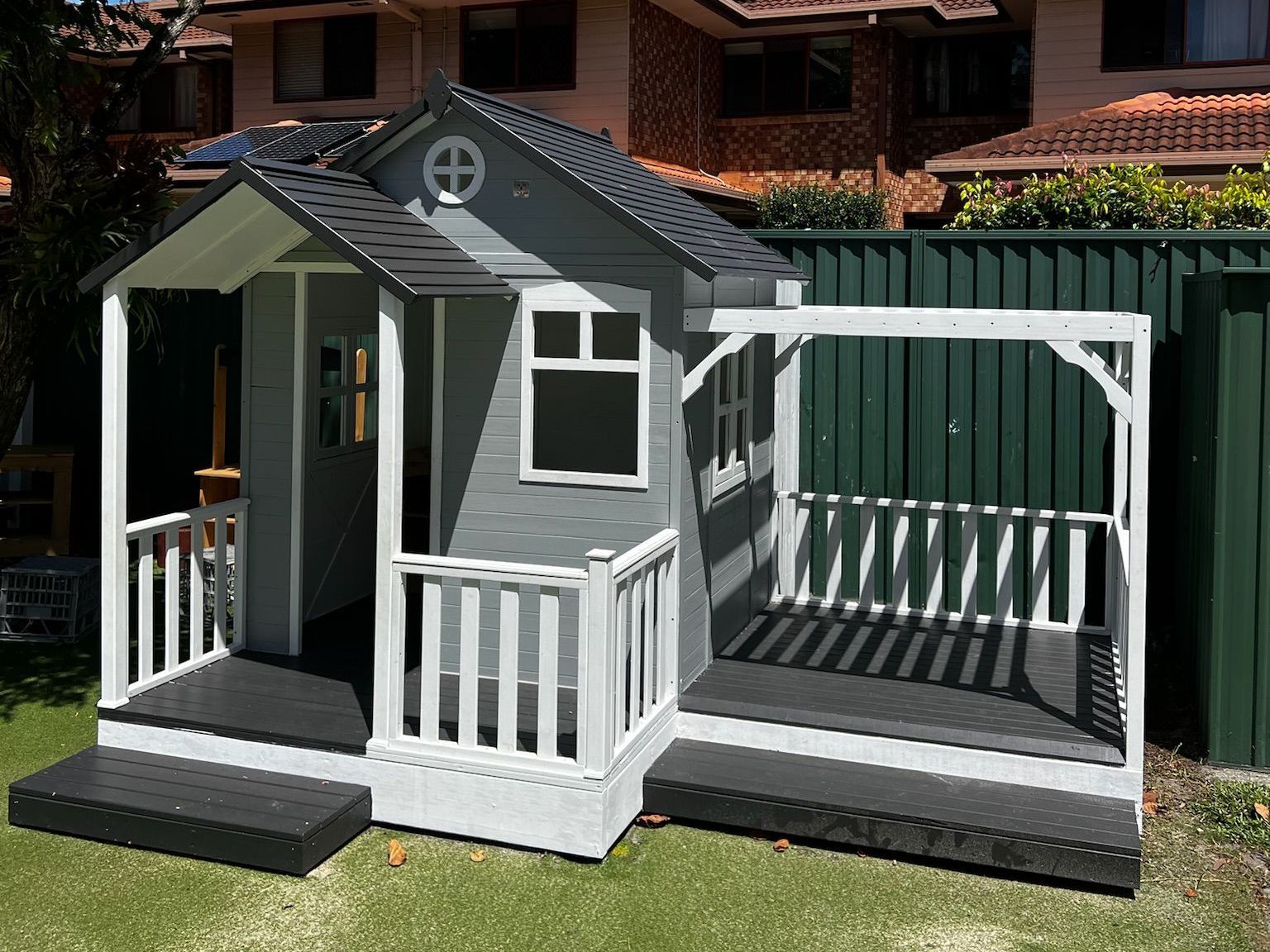
Childcare centres are a clear example. They operate to fixed hours and can't pause care while a fit-out runs, which is why so much of this work happens in the evenings, on weekends, or during holiday closure periods. Our daycare fit-outs are regularly scheduled this way, with the added compliance care that childcare environments demand.
Retail and hospitality sit in the same boat. Every hour a shop stays closed sends trade walking straight past the door, so scheduling the loud work for after close keeps the tills open and avoids the business hours disruption that eats into revenue.
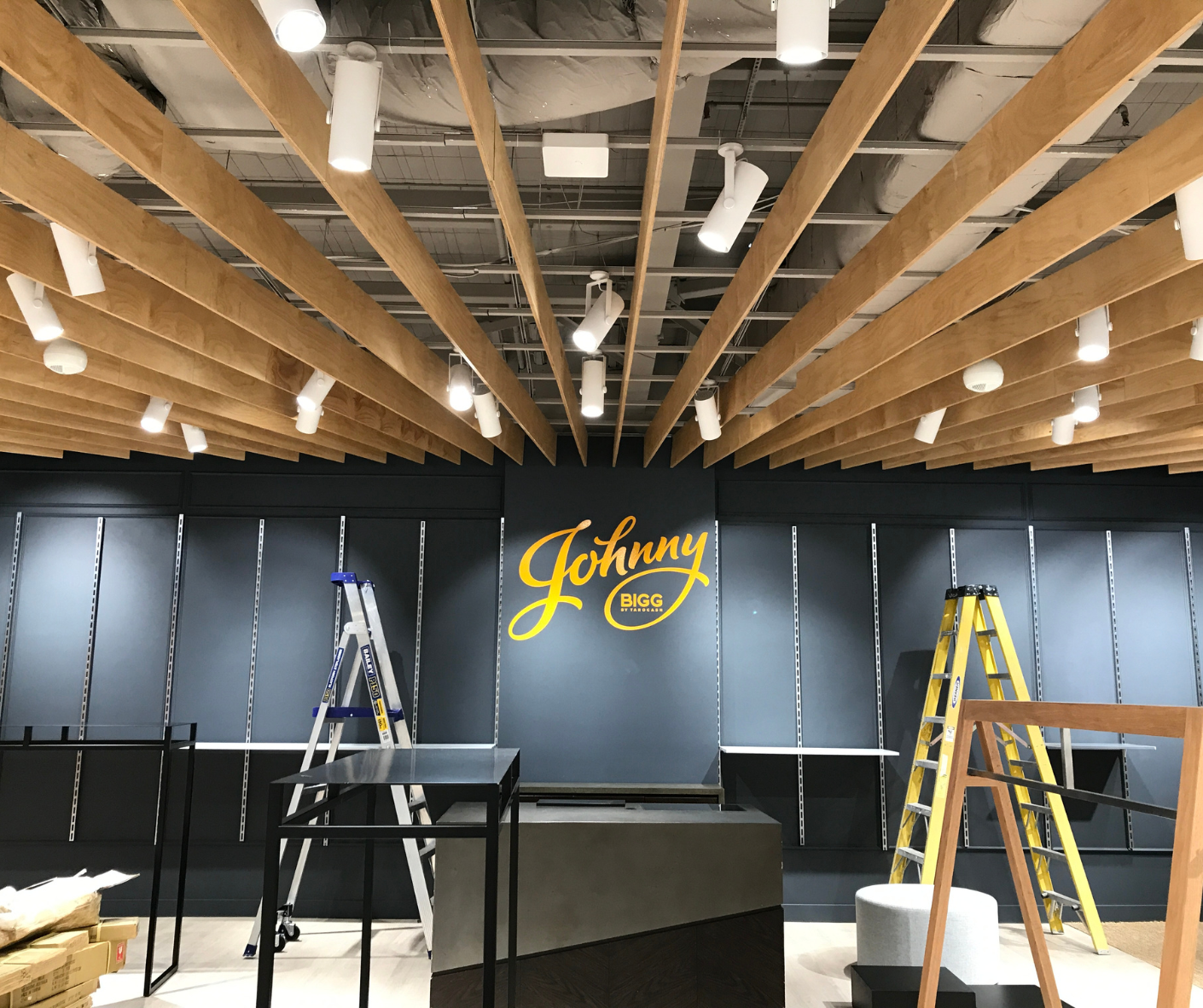
Our shopfitting projects are frequently staged around trading hours for exactly this reason. Occupied offices round out the picture. Staff still need a functional, safe place to work, so noisy stages move to after hours while the team keeps to their day.
How We Carefully Plan Fit-out Downtime
A smooth, occupied space fit-out lives or dies on the planning. The build itself is rarely the hard part. Coordinating it around a working business is. Here's how we approach it.
1. Understand how you operate.
Before anything is scheduled, we map your trading hours, your busy periods, and the parts of your space you can't afford to lose. This tells us what has to move after hours and what can stay in the day.
2. Stage the disruptive work.
The high-noise, high-mess stages, demolition, flooring, cutting, and painting get slotted into evenings, nights or weekends. Quieter finishing work is arranged so it doesn't collide with your operations.
3. Lock in access and communication.
We agree on access windows, security arrangements and a single point of contact, so you always know who's on site and when. Clear communication is what keeps an occupied-space job from turning into a guessing game.
This is also where phased fit-out works come in. On larger jobs, we complete the space in stages, finishing one zone before moving to the next, so at least part of your premises stays operational throughout.
Compliance and Safety for After-Hours Work in Queensland
Working after hours isn't as simple as staying back late, and any builder who treats it that way is a risk to your project. In Queensland, construction noise is regulated. Under the Environmental Protection Act 1994, Brisbane City Council sets standard construction hours of 6.30 am to 6.30 pm, Monday to Saturday.
Work outside those hours generally requires out-of-hours construction approval from Council, and there are firm limits. High-noise activities aren't permitted between 10 pm and 6.30 am, and approved out-of-hours work usually comes with public notification requirements for nearby properties. A builder who knows this landscape plans around it from the start, rather than discovering it once a stop-work notice arrives.
This is where licensing and insurance matter. Laity Building holds a QBCC builder's licence and full insurance cover, and we manage the
fit-out compliance side of out-of-hours work so you don't have to navigate council requirements on your own. Doing the work legally and safely is not the corner to cut when you're trying to save time.
What to Ask Your Contractor About After-Hours Work
Before you agree to any after-hours arrangement, a few direct questions will tell you quickly whether a contractor is set up to do it properly:
- Are you insured for out-of-hours site access? The space is often empty and unsupervised by your team, so the builder's cover needs to reflect that.
- Who supervises the site after hours? There should be a clear answer, not a shrug. You want to know who is responsible for the work happening overnight.
- How is the space secured when you're working outside normal hours? Access, alarms and lock-up all need a plan, especially if your premises hold stock or equipment.
- Do you handle the council approvals and notifications? A builder experienced in out-of-hours work should manage this as a matter of course.
Any contractor worth engaging will have ready answers to all four. Vague responses are a signal to keep looking.
Less Fit-out Downtime, More Business as Usual
A fit-out shouldn't force you to choose between improving your space and keeping your business open. Scheduling the disruptive work for after hours, backed by proper planning and the right approvals, is one of the most effective ways to keep both moving at once.
If you're weighing up a fit-out and can't afford the downtime, it's worth talking to an
experienced builder who works around your hours rather than expecting you to work around theirs. Get in touch with Laity Building to plan a fit-out that fits the way your business runs.
Key Takeaways
- Working after hours means scheduling the noisiest fit-out stages for evenings, nights or weekends, so your business keeps running during the day.
- Childcare centres, retail, hospitality and occupied offices benefit most, because closing during trading hours means lost income or interrupted service.
- Good after-hours scheduling starts with understanding how you operate, then staging the disruptive work and locking in access and communication.
- In Brisbane, standard construction hours are 6.30am to 6.30pm Monday to Saturday, and out-of-hours work generally requires council approval, with high-noise work banned between 10pm and 6.30am.
- A properly licensed, insured builder manages the compliance and security side of after-hours work rather than leaving it to you.
Frequently Asked Questions
What does "after hours" mean for a commercial fit-out?
It refers to any work carried out outside your normal trading day, typically evenings, overnight, or weekends. The exact arrangement depends on which trades are being scheduled and how disruptive each stage is. Some jobs run entirely after hours, while others utilise a mix of daytime and after-hours work to maintain efficiency.
Does after-hours fit-out work cost more than daytime work?
It can vary depending on the scope of the project and the trades involved, rather than following a single fixed after-hours rate. The best way to understand the investment for your specific job is to discuss the scope directly, and we'll give you a clear, transparent quote. The trade-off many businesses weigh up is the cost of the work against the cost of closing their doors.
Which trades are usually scheduled after hours?
The noisiest and most disruptive stages tend to move after hours, things like demolition, flooring installation, painting, and certain electrical or plumbing works. Quieter finishing work can often continue during the day without bothering anyone. Your builder should map out which is which before work begins.
Can daycare centres and childcare fit-outs be done after hours?
Yes, and it's often necessary, since childcare centres can't send children home while work is underway. Much of this work happens in the evenings, on weekends, or during scheduled holiday closures. Childcare fit-outs also carry specific compliance requirements, so it's important to use a builder experienced with Class 9B environments and the relevant checks.
Will after-hours work disturb neighbouring tenancies or residents?
A responsible builder plans noise-generating tasks with the surrounding properties in mind and works within local council noise restrictions. In Brisbane, high-noise activities aren't permitted between 10 pm and 6.30 am, and out-of-hours work often requires notifying nearby properties in advance. Managing this properly is part of the builder's job, not yours.
Are there rules around noise or working hours for construction in Brisbane?
Yes. Under the Environmental Protection Act 1994, standard construction hours in Brisbane are 6.30 am to 6.30 pm, Monday to Saturday. Working outside those hours generally requires out-of-hours construction approval from Brisbane City Council, and an experienced builder will manage that process on your behalf.
Is it safe to have contractors on site after hours when the business is closed?
It is, provided the contractor has appropriate insurance for out-of-hours access, clear on-site supervision, and a plan for securing your premises. These are reasonable things to confirm before work begins. A builder who does after-hours work regularly will have straightforward answers on all three.
Can office fit-outs be completed without closing the office?
In most cases, yes. A combination of phased works and an after hours fit-out schedule for the disruptive stages lets staff keep working while the project progresses around them. Noisy work moves to quiet periods, and the space is handed back functional each day.
How far in advance should after-hours work be planned?
As early as possible, ideally at the initial consultation. Early planning means the disruptive trades can be staged around your operating schedule, and any required council approvals can be sorted before they hold up the job. Leaving it late is how avoidable delays creep in.
Does Laity Building offer flexible or after-hours scheduling for all fit-out types?
Yes. We schedule work around client operating hours across office, daycare, shopfitting and commercial kitchen fit-outs, with working hours extending to nights and weekends where a project needs it. The goal is always the same: get the work done with the least possible disruption to your business.