

Warm Shell vs Cold Shell: Which Option Suits Your Business?
Many business owners hear the terms “warm shell” vs “cold shell” during leasing, fitout or handover discussions, but are not always told what those terms mean in practical terms. The shell you choose can shape your budget, program, design freedom and speed to opening.
In simple terms, a cold shell is closer to a blank canvas. A warm shell is usually more prepared for occupation, with more base building services already in place. The difference matters because the starting condition of the tenancy affects what you need to design, approve, build and pay for before your team, customers or clients can use the space.
This guide explains what each fitout terminology means, typical inclusions, how each option affects fitout cost, compliance and customisation, and which style of tenancy tends to suit offices, retail spaces and first-time commercial tenants.
Definitions can vary from one landlord, building and prior tenancy condition to the next. A “warm shell” may be more finished than a “warm shell” in another. Before you commit, it is worth having an experienced commercial builder review the tenancy condition, services and likely fitout scope.
What Does Warm Shell vs Cold Shell Mean in Commercial Fitouts
Understanding the difference starts with one question: how much of the space is actually ready for use, and how much still needs to be designed and built?
What is a cold shell?
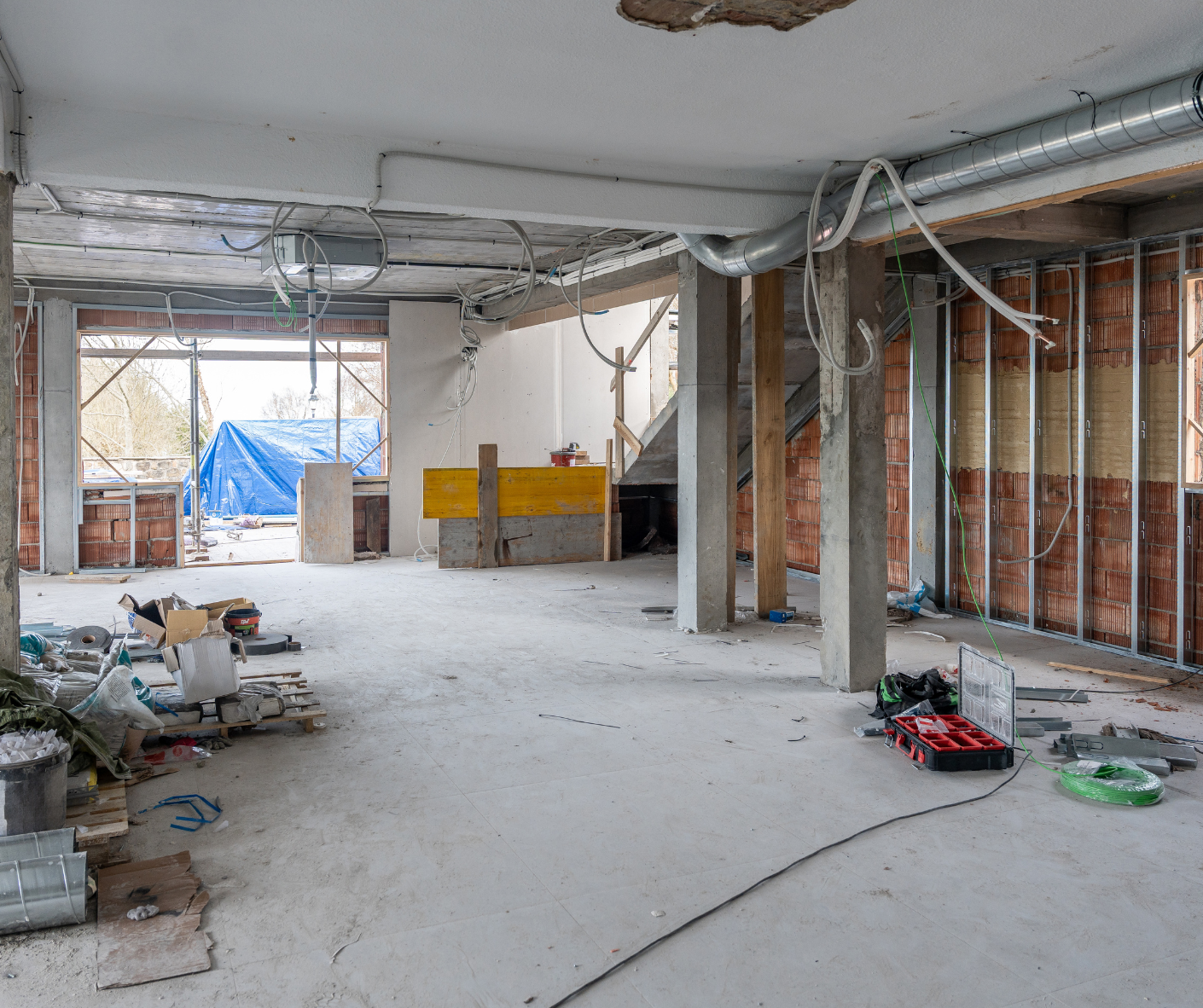
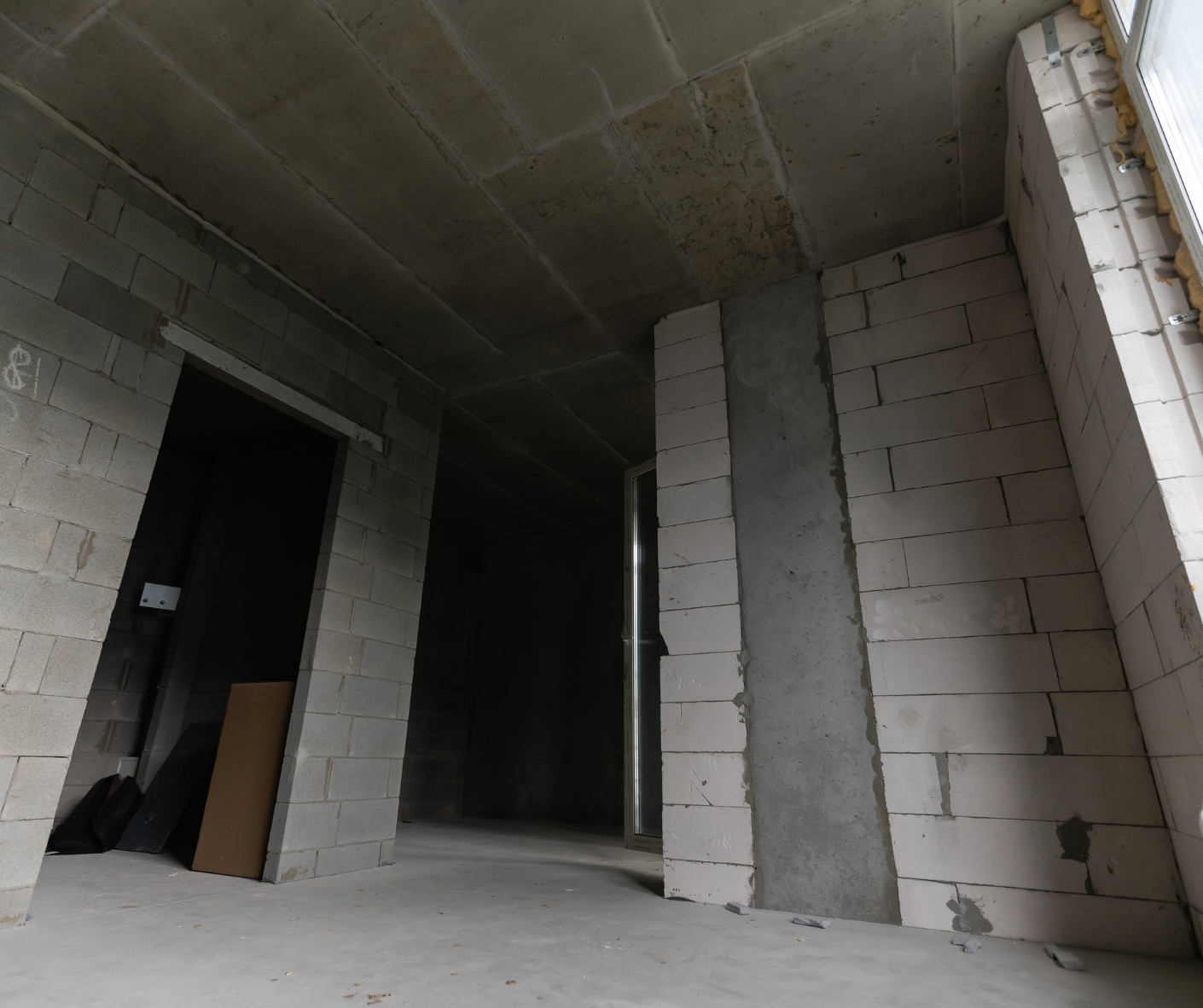
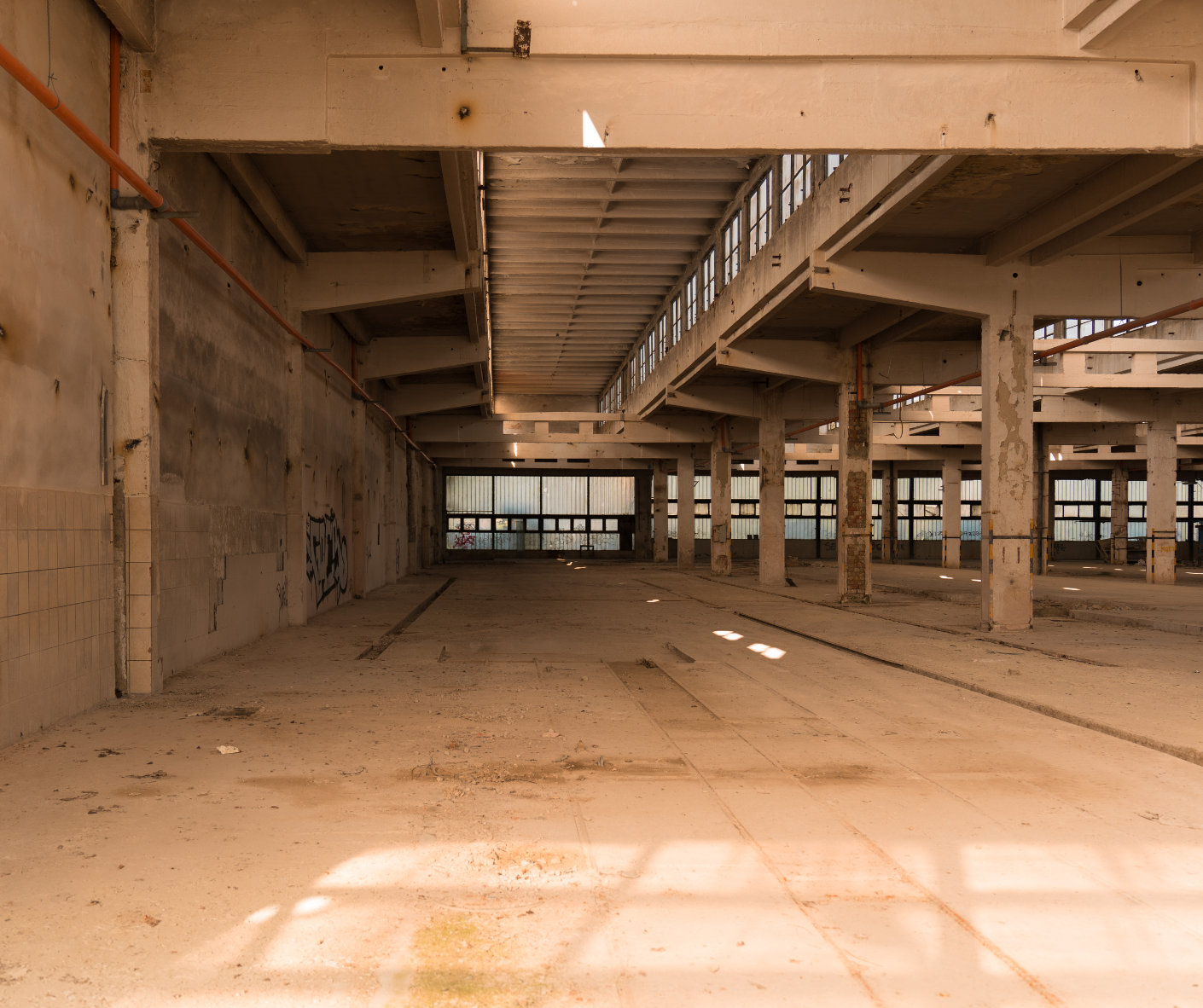
A cold shell is a largely unfinished commercial space. The main structure and building envelope are usually in place, but the interior may have limited finishes, limited services and little that is truly tenant-ready.
A cold shell may include exposed or unfinished floors, ceilings and walls. Utility connections may be capped or provided as “stub outs”, ready for future connection by the tenant’s fitout team. Lighting, HVAC, plumbing and internal fire services may be limited, incomplete or not yet configured for the intended use.
For businesses, that can be a good thing if the space needs to be shaped from the ground up. It also means more responsibility sits in the fitout stage, including design coordination, service upgrades, approvals and final certification.
What is a warm shell?
A warm shell is a semi-finished space with more base building services already installed. It is not necessarily ready to trade, but it usually gives the tenant a more complete starting point.
A warm shell may include finished or partially finished walls and ceilings, lighting, HVAC, fire services, and sometimes flooring and bathrooms. You may also hear similar terms such as vanilla shell or white shell, especially in office, retail and mixed-use commercial properties.
The appeal is speed and simplicity. If the existing services, amenities and layout suit your business, the fitout can often focus more on finishes, joinery, branding, workstations and customer-facing details rather than building the tenancy infrastructure from scratch.
Cold Shell vs Warm Shell Comparison for Faster Decision-Making
The table below gives a practical overview of how the two options usually compare. Exact inclusions should always be checked against the lease, landlord's work schedule and actual site condition.
| Factor | Cold shell | Warm shell |
|---|---|---|
| Level of completion | Basic structure and envelope, with limited internal completion | Semi-finished space with more tenant-ready services |
| HVAC | Often capped, incomplete or requiring tenant design and installation | Often installed or partly installed, subject to suitability |
| Lighting | Minimal, temporary or not configured for the final layout | Basic lighting commonly included |
| Plumbing | May include capped points or limited provisions | May include bathrooms, kitchenettes or usable connection points |
| Fire services | Base provisions may exist, but tenancy-specific work may be needed | Fire services are often installed, though alterations may be required |
| Bathrooms | Not always included within the tenancy | Sometimes included or shared through common amenities |
| Flooring/ceilings | Often unfinished or exposed | Often finished or partially finished |
| Customisation potential | High, because fewer existing elements need to be worked around | Moderate, because existing services and finishes may guide the design |
| Upfront fitout cost | Usually higher for the tenant | Usually lower, depending on reuse of existing services |
| Speed to occupancy | Usually slower | Usually faster |
| Best suited to | Specialised, brand-heavy or long-term spaces | Offices, simpler retail tenancies and businesses needing a faster opening |
Warm shell tenancies usually support a faster path to occupation because the space already has more infrastructure in place. Cold shell tenancies usually give greater design freedom, but they require more detailed fitout planning, service coordination and upfront investment.
Cold Shell Tenancies: More Freedom, More Planning
A cold shell can be a strong option when the finished space needs to do something specific. It gives your design and build team room to plan around your operations instead of adapting around another tenant’s old layout.
Advantages of Cold Shell
Greater design freedom:
A cold shell gives you a blank canvas, so the layout, finishes and services can be planned around your business from the start.
Easier to create a space around specific operations, customer flow or brand requirements:
Because fewer existing elements need to be worked around, the fitout can be shaped to support how staff, customers and products move through the space.
Better suited to businesses with specialised layouts or service needs:
Cold shell spaces are often a better fit for businesses that need custom rooms, service locations, technical infrastructure or a highly specific customer experience.
Drawbacks of Cold Shell
Higher tenant fitout cost:
More of the internal build, services and finishes usually need to be paid for by the tenant.
Longer delivery timeline before opening:
A cold shell often requires more design, approvals, procurement and construction before the space can operate.
More coordination across design, approvals, services and compliance:
The tenant and builder need to manage more moving parts, including consultants, trades, landlord requirements and certification.
Who Cold Shell Tends to Suit
- Businesses with complex operational needs
- Retailers with strong brand-led environments
- Tenants wanting a highly customised first fitout
- Businesses planning long-term occupancy where upfront investment is justified
Warm Shell Tenancies: A Head Start for Your Fitout
A warm shell gives you a more complete base to work with. For many Brisbane businesses, this can reduce pressure on the program and make the fitout feel more manageable.
Advantages of Warm Shell
Faster move-in and shorter build program:
A warm shell already has more base services and finishes in place, so the fitout can often be completed sooner.
Lower initial fitout burden:
Because major elements may already be installed, the tenant may have fewer major works to fund before opening.
More predictable starting condition:
A warm shell usually gives the builder a clearer fitout idea of what can be reused, adjusted or built around.
Better for businesses wanting to open sooner with fewer major works:
Warm shell spaces are often a practical choice when speed, simplicity and reduced construction scope are priorities.
Drawbacks of Warm Shell
Less flexibility:
Existing walls, ceilings, services or amenities can limit how freely the space can be redesigned.
Existing services or layout may not align with the brand or workflow:
What is already installed may suit the previous tenant or landlord standard, but not the way your business needs to operate.
Modifying what is already there can create hidden inefficiencies or waste:
Changing a warm shell can mean paying to remove usable elements before rebuilding them in a more suitable way.
Who Warm Shell Tends to Suit
- Office tenants
- First physical locations
- Businesses with tighter timelines
- Businesses that do not need a highly specialised layout
How to Compare Cold Shell Vs Warm Shell Before You Commit
The best choice between a cold shell vs a warm shell is not always the cheapest lease or the most finished space. It is the tenancy that gives your business the right balance of cost, time, compliance and long-term function.
Budget
Separate the lease cost from the fitout cost, because a lower rent or cheaper shell does not always mean a lower total project cost. A cold shell may look cost-effective at first, but once services, flooring, ceilings, lighting, amenities and finishes are added, the overall spend can increase quickly.
Timeline to Open
A warm shell can reduce the time to occupation because more of the base building services and finishes are already in place. A cold shell generally takes longer because approvals, procurement, service installation and construction need to be coordinated before the business can open.
Design Flexibility
A cold shell offers the cleanest slate, making it easier to design the space around your brand, workflow, customer experience and future growth. A warm shell can still work well, but it may require compromise or selective demolition if the existing layout or services do not suit your needs.
Compliance and Services
Before choosing a tenancy, it is important to assess fire services, HVAC, hydraulic, electrical and code requirements so you understand what is already compliant and what needs upgrading. These items can have a major impact on cost, timing and approval pathways, so they should be reviewed before signing a lease.
Business Type and Tenancy Use
Different businesses have very different fitout needs, so an office, retail store, childcare centre or specialised commercial space should not be assessed in the same way.
Laity Building’s commercial fitout experience can help identify whether the shell condition suits the intended use, or whether extra work will be needed to make the space functional, compliant and ready to operate.
Matching the Shell Type to the Way Your Business Operates
The right answer depends on how your business uses space every day.
Office Spaces
Warm shell often works well for office spaces when the base services are suitable and a faster move is the priority. If lighting, HVAC, ceilings and amenities are already in place, the fitout can usually focus more on workstations, meeting rooms, reception areas and staff zones.
Retail and Branded Environments
Cold shell may be better for retail and branded environments when the customer experience, display layout, signage, lighting or back-of-house requirements need to be highly specific. However, some retail projects may still benefit from a warm shell if the previous fitout, services or general layout can be reused without compromising the brand or customer flow.
First-Time Commercial Tenants
Warm shell can reduce complexity for first-time commercial tenants because there is usually less major construction work to plan before opening. A cold shell can still be the right choice with early guidance from a builder like Laity Building, helping tenants understand cost, compliance, timing and fitout scope before they commit.
Lease Checklist: What to Confirm Before You Accept the Shell
Before you decide on a cold shell vs a warm shell for your property, ask these specific questions. The answers can change your budget, timeline and negotiating position.
- What services are already installed and operational?
- Are bathrooms included within the tenancy, or are they shared?
- Is the HVAC tenant-ready or base-building only?
- What fire services are in place, and will they need alteration?
- What landlord works are included before handover?
- Are there make-good obligations at the end of the lease?
- What approvals will the fitout require?
- What condition will the tenancy be handed over in?
- Can the existing layout be reused, or will demolition be needed?
- What is the realistic opening timeline after lease signing?
- Are electrical, plumbing and mechanical capacities suitable for the intended use?
- Who is responsible for defects in existing services?
- Will the landlord provide drawings, certificates and service information?
- Are there restrictions on work hours, access, loading or waste removal?
- Is there enough time in the lease program for design, approvals, procurement and construction?
Practical Commercial Fitout Guidance from Laity Building
Choosing between a warm shell and cold shell tenancy is easier when someone can translate warm shell vs cold construction into a real scope. Laity Building helps Brisbane businesses understand what they are taking on before the fitout begins.
Laity Building brings a practical, transparent approach to commercial spaces, with a focus on clear communication, tailored solutions and responsible building choices. Our team works across commercial and retail space fitouts, office fitouts, daycare fitouts and building maintenance, giving clients a grounded view of what a tenancy may need.
That support can be especially useful when the handover condition sounds simple on paper but becomes more complex onsite.
We can help you review the tenancy condition, identify hidden scope, check whether existing services are workable, and advise on whether a warm shell or cold shell is better aligned with your budget and timeline.
Our team can also plan a fitout that balances function, aesthetics, compliance, sustainability and commercial reality. Where existing materials or services can be reused responsibly, that may reduce waste and unnecessary spending.
If you are weighing up a warm shell or cold shell tenancy,
getting input from a trusted builder early can help you avoid costly surprises. A short review before signing can make the difference between a smooth project and a
fitout that uncovers challenges after the lease has already started.
Final Verdict on Warm Shell vs Cold Construction Choices
There is no universal winner between a warm shell vs cold shell debate. The better option depends on your business goals, budget, timeframe, tenancy use and the condition of the actual space.
Warm shell is often better when speed, simplicity and lower initial fitout complexity matter most. It can help businesses open sooner, reduce the amount of major trade work and provide a more predictable starting point.
Cold shell is often better when customisation, operational specificity and long-term brand fit matter more. It gives you greater freedom, but it also asks more from your design, approvals and construction process.
The smartest decision is not based on the label alone. It comes from inspecting the tenancy, understanding what is included, checking what is missing and planning the fitout around the real cost of getting open.
Key Takeaways
- Warm shell spaces are more move-in ready and often reduce fitout time.
- Cold shell spaces offer more freedom but usually require more capital, planning and coordination.
- When comparing warm shell vs cold in construction, the right option depends on your budget, timeline, tenancy use and design needs.
- Definitions vary, so always verify exactly what is included before signing.
- Early guidance from an experienced commercial builder can reduce risk and improve decision-making.
Frequently Asked Questions
What is the difference between a warm shell vs a cold shell?
A cold shell is usually an unfinished tenancy with limited internal finishes and services. A warm shell is more complete, often with basic services, walls, ceilings, lighting, HVAC or amenities already in place.
Is a warm shell cheaper than a cold shell overall?
Not always. A warm shell often costs less to fit out initially, but the existing layout or services may need modification. A cold shell can cost more upfront but may deliver a better long-term result for specialised businesses.
Which option is better for an office fitout?
Warm shell often suits office fitouts because it can provide a faster, more practical starting point. Cold shell may be better for offices needing a highly customised layout, premium client areas or specialist service requirements.
Does a cold shell include air conditioning and lighting?
Usually not in a tenant-ready form. A cold shell may include capped services or base provisions, but the tenant may need to design, install and certify HVAC, lighting and related systems as part of the fitout.
What is included in a warm shell tenancy?
A warm shell may include finished or partially finished walls, ceilings, lighting, HVAC, fire services, flooring and bathrooms. Inclusions vary, so always check the lease documents and inspect the site.
Is a warm shell the same as a vanilla shell or white shell?
Often, yes. The terms vanilla shell and white shell are commonly used to describe a semi-finished tenancy. However, exact inclusions vary between landlords and buildings.
Which option is faster to move into: warm shell or cold shell?
Warm shell is usually faster because more base services and finishes are already installed. Cold shell generally takes longer because more design, approvals, procurement and construction work is required.
How do I know what the landlord is actually handing over?
Ask the landlord for the works schedule, service drawings, certificates, defect lists and a detailed handover condition. It is also wise to have a commercial builder inspect the space before you commit.
Can a cold shell be better for retail or specialised commercial spaces?
Yes. Cold shell can be better when the business needs a very specific customer journey, display layout, service design, back-of-house arrangement or brand environment.
Should I speak to a builder before signing a commercial lease?
Yes. A builder can help identify hidden fitout costs, service issues, approval risks and program constraints before they become expensive problems.