
Sustainable Office Fitouts for Modern Businesses in Brisbane
Sustainable office fitouts are no longer a niche design trend. For Brisbane businesses, they are a practical way to create healthier, more efficient workplaces while reducing waste and planning for long-term performance.
A well-planned office fitout can do more than improve how a workplace looks. It can support the way your team works, reduce avoidable operating costs, make better use of your existing tenancy, and help your business make smarter decisions about materials, lighting, airflow, layout and future flexibility.
For businesses across Brisbane, from CBD offices and inner-city professional suites to growing teams in suburban commercial spaces, sustainability is becoming part of good project planning. It is not just about choosing “green” materials. A genuinely sustainable fitout considers the full picture: what can be retained, what needs upgrading, how energy is used, how staff experience the space, how much waste is created, and how well the office can adapt over time.
That is where practical building knowledge matters. The best outcomes come from balancing environmental responsibility with functionality, compliance,
fitout budget, quality and day-to-day usability.
What Makes an Office Fitout Sustainable
A sustainable office fitout is a workplace upgrade designed and delivered to reduce environmental impact across the life of the project, from early planning and demolition through to construction, daily use and future changes.
This can include responsibly sourced and durable materials, low-VOC paints and finishes, energy-efficient lighting, smarter HVAC planning, natural light optimisation, waste reduction, recycled or reusable materials, and layouts that allow the office to evolve without needing a major rebuild every few years.
In practical terms, sustainability means asking better questions early. Can the existing flooring stay? Can joinery be refinished instead of replaced? Will the new layout reduce energy use? Are the materials suitable for heavy commercial use? Can the space support changing headcount or hybrid work?
A sustainable fitout should still look polished, support your brand and help your team work comfortably. The goal is not to compromise presentation. It is to create a workplace that performs better for longer.
Why Eco-Friendly Office Fitouts Are Good for Business
A sustainable workplace is not only an environmental decision. It can also be a commercial decision that affects operating costs, staff satisfaction, business reputation and the long-term value of your premises.
Lower Operating Costs Over Time
A sustainable fitout can help reduce long-term expenses by using efficient lighting, smart controls, durable materials and better planning around air-conditioning. For Brisbane offices, this is especially useful because thoughtful layouts can help manage cooling demand and reduce unnecessary energy use.
Better Staff Wellbeing and Workplace Experience
A well-designed office can support staff comfort through natural light, cleaner air, low-toxicity finishes, better acoustics and more practical work zones. This helps create a workplace where people can focus, collaborate and move through the day without distractions like glare, noise or poor ventilation.
Stronger Brand and Stakeholder Perception
A sustainable workspace can show clients, staff and partners that your business makes considered, responsible decisions. Simple choices like durable finishes, efficient lighting, natural materials and clean detailing can create a professional impression without feeling forced or performative.
A More Future-Focused Workplace
A sustainable fitout helps businesses plan for changing workplace needs, including team growth, hybrid work, compliance expectations and better energy performance. Flexible layouts, reusable elements and multi-use spaces can reduce the need for costly changes later.
Core Elements of a Better Sustainable Workplace Fitouts
The most effective sustainable workplace fitouts combine practical construction decisions with thoughtful design. They are not built around one feature. They work because every part of the project is considered together.
Sustainable Materials and Finishes
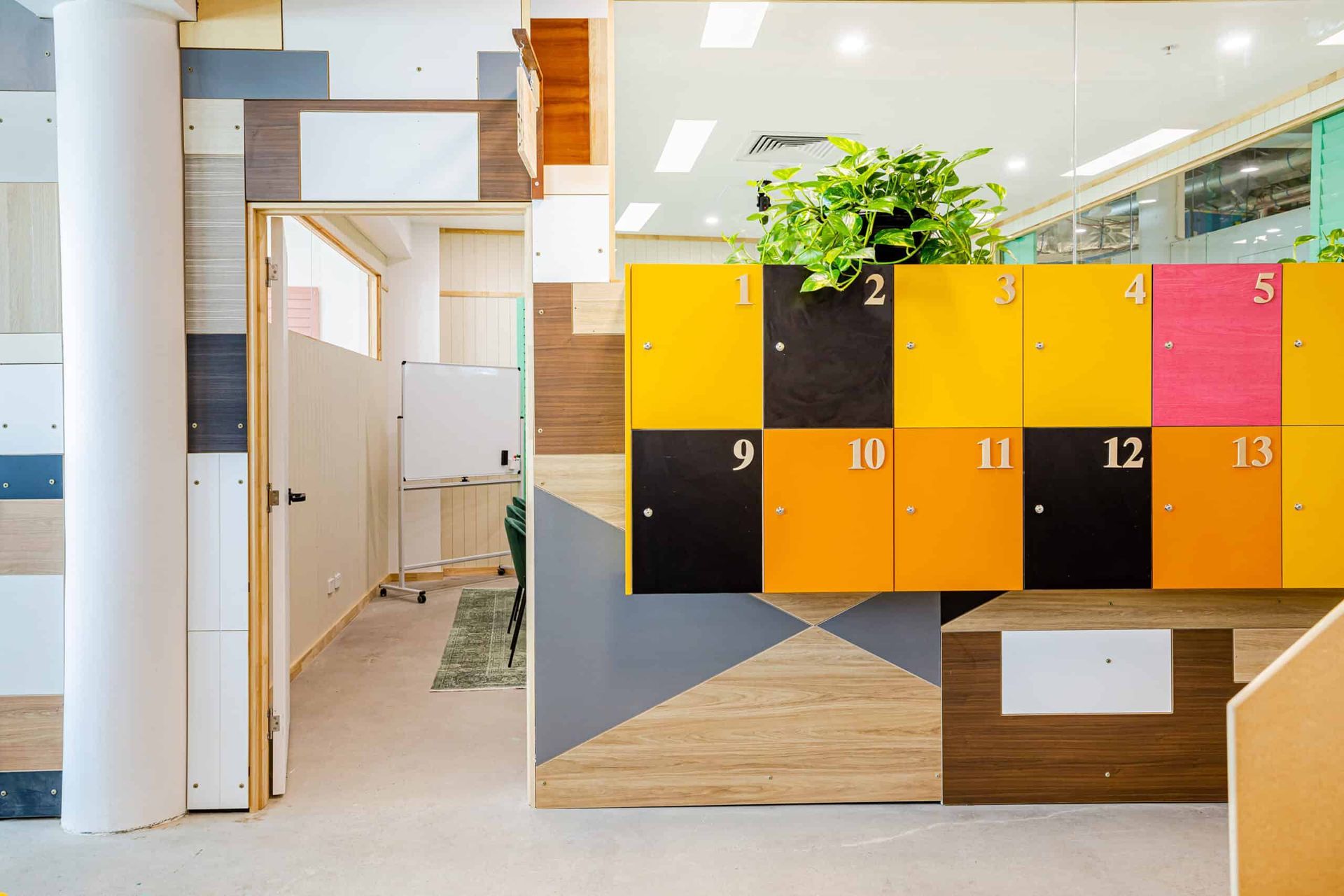
The materials chosen for an office fitout affect how long the space lasts, how much waste is created and how healthy the environment feels. Sustainable options can include recycled materials, responsibly sourced timber, low-VOC finishes and the reuse of existing joinery, partitions or flooring.
Energy-Efficient Lighting and Systems
Lighting is one of the simplest ways to improve office efficiency and comfort. LED lighting, motion sensors, smart controls and better zoning can reduce wasted energy, while good HVAC planning helps avoid hot spots, over-cooled areas and poorly ventilated rooms.
Natural Light and Smarter Space Planning
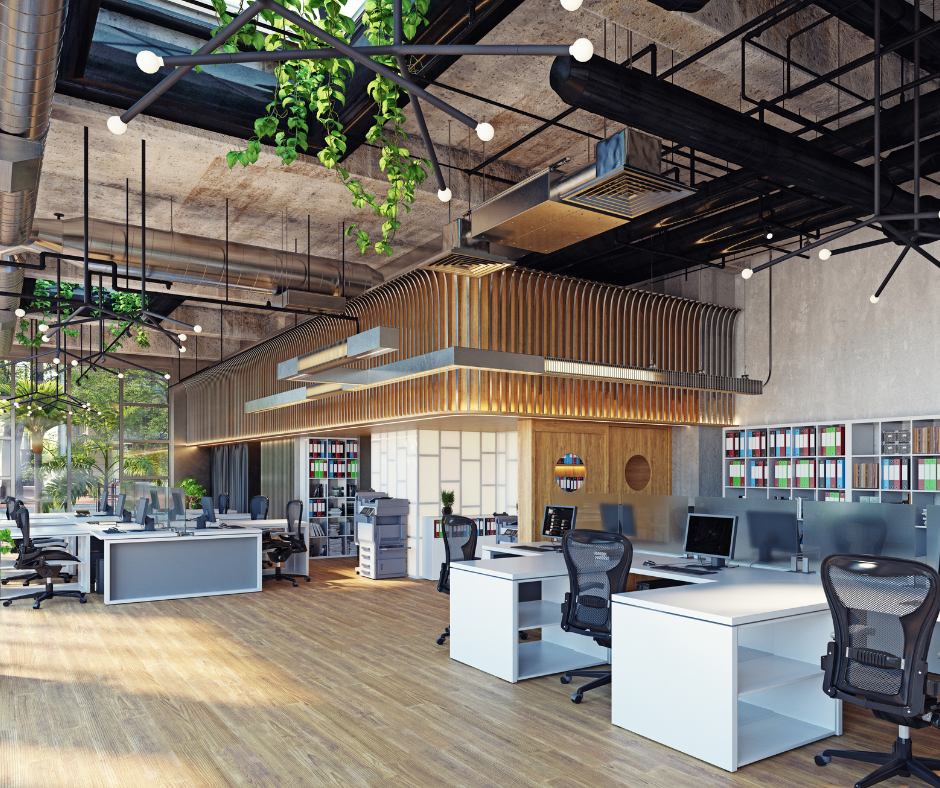
Natural light can make an office feel brighter and more inviting, but it needs to be managed carefully to avoid glare or heat issues. Smart layouts, glass partitions and open circulation areas can help daylight travel through the space while still supporting privacy, focus and productivity.
Indoor Air Quality and Healthier Finishes
A healthier office starts with better air quality, safer finishes and thoughtful ventilation. Low-emission paints, adhesives, flooring and furniture can help reduce indoor pollutants, while good airflow makes meeting rooms, compact offices and busy work areas more comfortable.
Waste Reduction During Demolition and Construction
Sustainable fitouts look for ways to reduce waste before demolition begins. Existing partitions, doors, flooring, joinery or furniture may be reused, refinished or relocated instead of being removed unnecessarily.
Flexible Design for Long-Term Use
A flexible office is more sustainable because it can adapt as the business changes. Multi-use rooms, modular storage, adaptable workstations and reusable partitions can reduce the need for expensive rebuilds when teams grow, restructure or shift to new ways of working.
Practical Ideas for a More Responsible Office Upgrade
A good eco-friendly office fitout does not have to involve overcomplicated design choices. Many of the strongest improvements come from careful planning, smart reuse and better product selection.
Start With What Can Be Retained
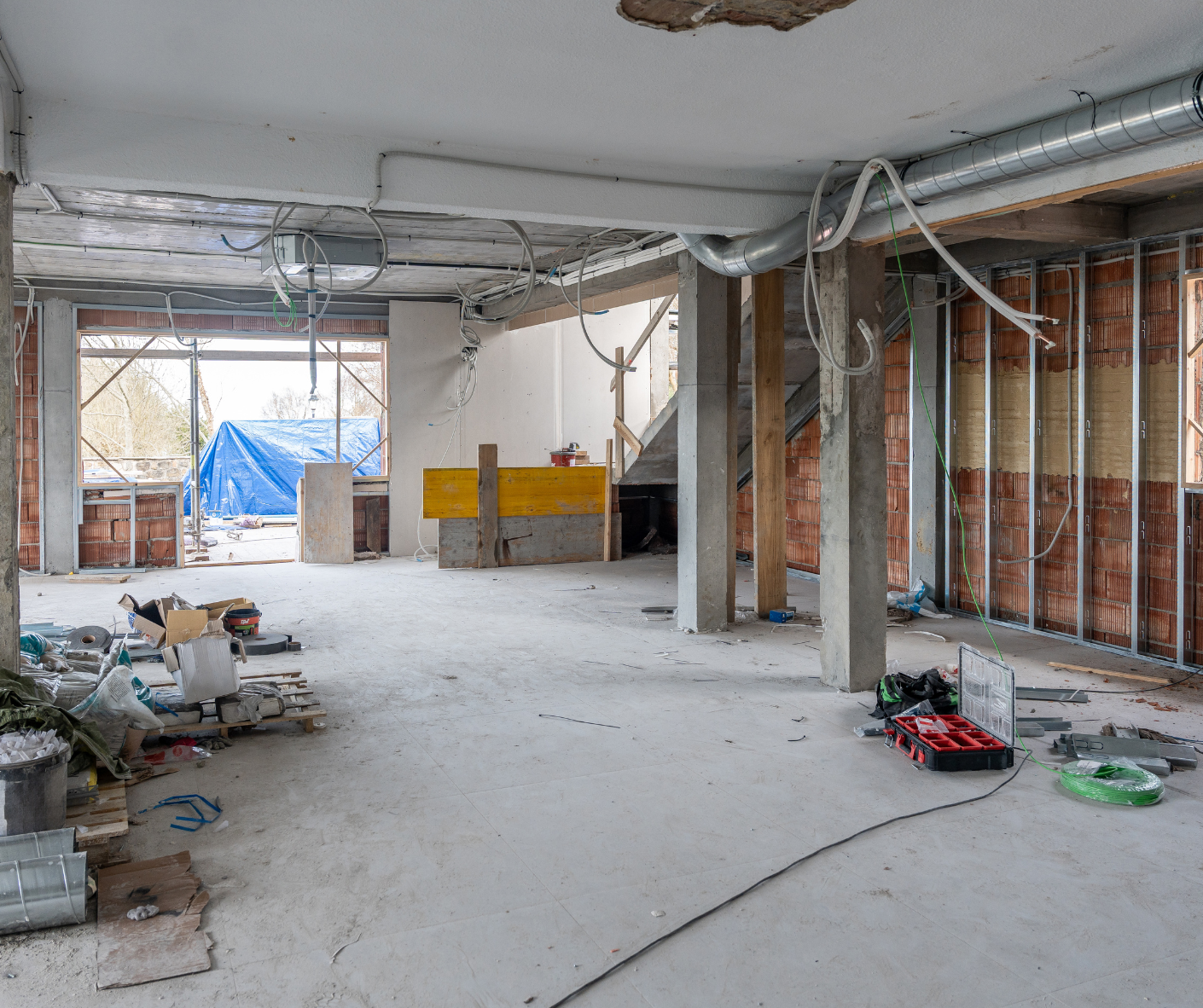
Before removing everything from an office, it is worth checking what can still be reused, adapted or refreshed. Keeping existing joinery, partitions, flooring or furniture can reduce waste, lower costs and avoid unnecessary construction work.
Choose Finishes That are Durable and Low-Impact
Sustainable finishes should be practical, long-lasting and suited to daily office use. Durable flooring, quality laminates, low-VOC paints and responsibly sourced materials can help reduce future replacement while improving the project’s environmental impact.
Design for Efficient Lighting and Power Use
Lighting and power should be planned around how each area is actually used. LED lighting, sensor controls, layered lighting and smart workstation placement can reduce energy waste while keeping the office comfortable and functional.
Create Healthier Breakout and Focus Zones
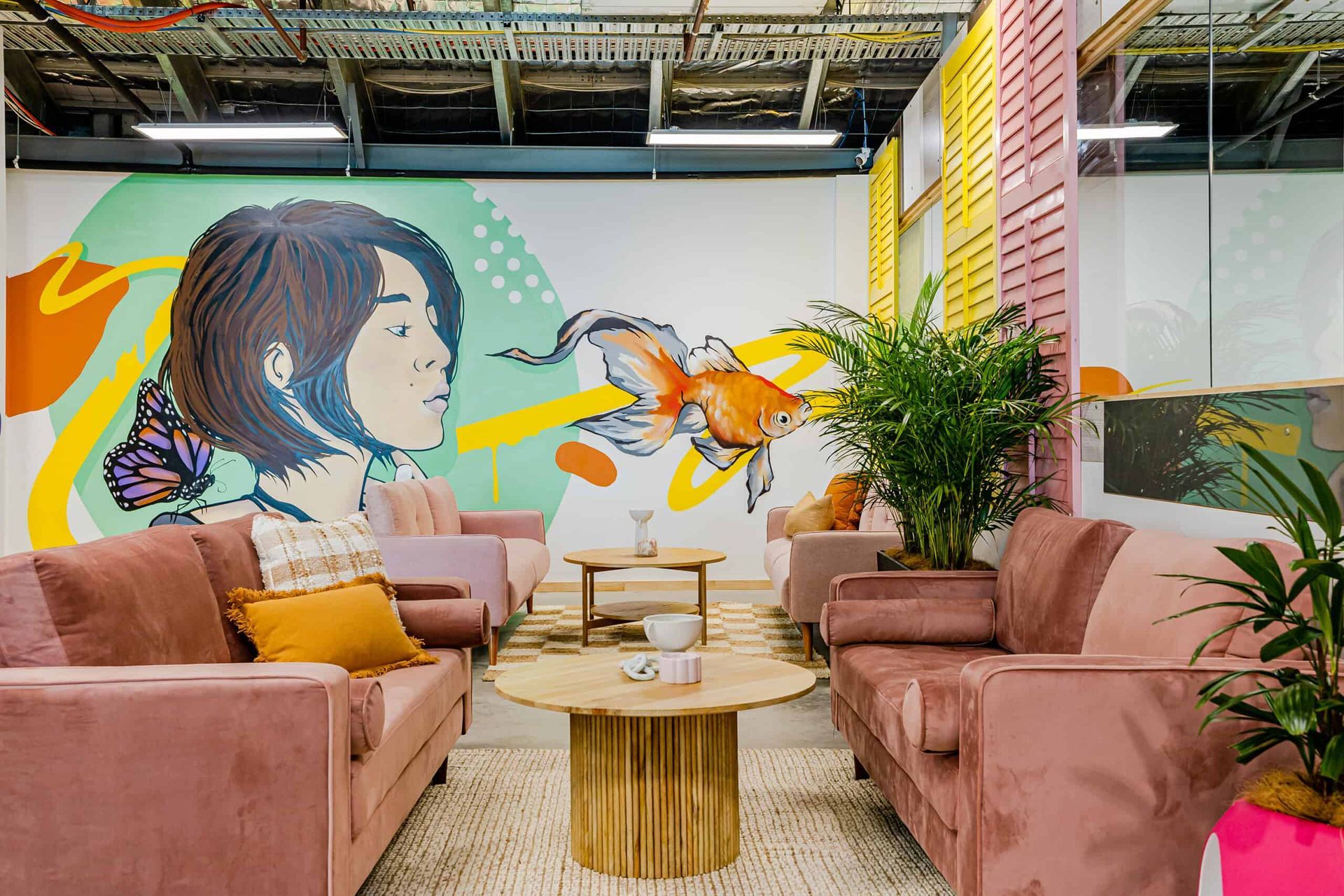
A sustainable office should support staff wellbeing as well as environmental goals. Breakout areas, quiet rooms and focus zones give people more choice in how they work, helping the office feel calmer, more flexible and more productive.
Reduce Waste With Smarter Planning Upfront
Good planning helps avoid unnecessary demolition, duplicated materials, design changes and costly rebuilds. When budget, timeline, compliance needs and sustainability goals are clear from the start, the fitout is more likely to run smoothly and create less waste.
Sustainability Frameworks That Can Guide Better Fitout Decisions
Some businesses look beyond design and want their workplace to support broader ESG or sustainability goals. This may include reducing emissions, improving indoor environmental quality, managing waste better, or demonstrating a more responsible approach to clients and staff.
In Australia, frameworks such as Green Star, NABERS and the National Construction Code can influence office fitout decisions.
Green Star provides recognised sustainability guidance for the design and construction of fitout works. NABERS helps businesses and building owners understand operational performance across areas such as energy, water, waste and indoor environment. The National Construction Code sets minimum construction requirements, including provisions that can affect energy efficiency and building performance.
Not every office project needs formal certification. For many businesses, the practical value is using these frameworks to ask better questions: How will the tenancy use energy? What materials are being selected? How will waste be managed? What does the finished space mean for staff comfort?
The right approach depends on your lease, budget, building, business goals and project scope.
Common Mistakes to Avoid in a Sustainable Office Fitout
Even well-intentioned projects can miss the mark if sustainability is treated too narrowly. Avoiding common mistakes can help protect your budget and improve the final result.
Focusing Only on Materials
Recycled finishes and natural textures can help, but they do not make a fitout sustainable on their own. A truly sustainable office also considers energy use, layout, waste reduction, durability, indoor comfort and long-term flexibility.
Ignoring Long-Term Usability
An office that needs major changes after only a short time is not a sustainable outcome. Planning for future team growth, storage, technology and workflow changes can help the space last longer and reduce disruption later.
Overlooking Staff Comfort
A good-looking office can still fail if it has poor lighting, bad acoustics, limited airflow or uncomfortable work areas. Staff comfort should be considered early so the space supports focus, collaboration and everyday wellbeing.
Treating Sustainability as a Bolt-On
Sustainability works best when it is included from the start of the project. If it is added late, opportunities to reuse materials, reduce waste, improve efficiency and plan smarter layouts may already be missed.
Choosing Price Alone Over Value
The cheapest option can cost more over time if materials wear out quickly or poor planning leads to repairs and replacements. A better approach is to consider whole-of-life value, including durability, maintenance, performance and how well the fitout supports the business.
How to Plan a Sustainable Office Fitout
A successful sustainable fitout starts with clear goals, honest scoping and practical delivery advice. The earlier these pieces come together, the easier it is to make smart decisions.
Clarify Your Goals Early
Start by deciding what matters most for the fitout, such as budget, timeline, staff wellbeing, energy efficiency, brand presentation or future flexibility. Clear goals help your builder recommend practical solutions instead of adding unnecessary upgrades.
Review the Existing Space Before Stripping It Back
Before demolition begins, check what can be reused, adapted or refreshed. Existing flooring, joinery, ceilings, lighting, furniture or services may still have value and can help reduce waste, cost and disruption.
Work With a Fitout Partner Who Understands Practical Delivery
Sustainable fitout ideas need to be practical, compliant and achievable on site. An experienced fitout partner can help manage planning, quoting, scheduling, trades and building requirements so the final workplace is durable and fit for purpose.
Balance Aesthetics, Functionality and Environmental Responsibility
A sustainable office should still look professional, work efficiently and support the people using it every day. The best fitouts balance polished presentation, practical layouts, durable finishes and long-term environmental responsibility.
Why Work With a Builder Who Understands Sustainable Office Fitouts
Strong sustainable outcomes depend on more than product selection. They rely on planning, communication, compliance awareness, quality workmanship and practical problem-solving during construction.
A builder who understands sustainable office fitouts can help identify what is worth retaining, where durable materials make sense, how to reduce avoidable waste, and how to coordinate the project without losing sight of budget or timeline.
For Brisbane businesses, local experience also matters. Office fitouts can involve building access restrictions, body corporate or building management requirements, tenancy conditions, workplace safety obligations and coordination across multiple trades. A smooth result depends on more than a good design concept.
Laity Building works with businesses to create commercial spaces that are functional, well-finished and tailored to the way each client operates. With over 20 years of combined experience, a QBCC Builder Licence, public liability coverage and a clear commitment to transparent communication, the team brings practical confidence to office upgrades, refurbishments and full fitouts.
If you are planning an
office fitout or
commercial space upgrade,
speaking with an experienced local team early can help you make smarter decisions from the start.
Build a Workplace That Performs Better Over Time
Eco-friendly office fitouts are not about chasing trends. They are about making smarter choices for how your workplace looks, performs and supports your business over time.
For Brisbane businesses, the opportunity is practical: reduce waste where possible, improve energy efficiency, choose durable materials, create a healthier indoor environment and design a space that can adapt as your team changes.
Whether you are refreshing an existing tenancy, planning a full office fitout or weighing up what to keep and what to replace, the best results come from early planning and experienced advice.
Laity Building can help you create a commercial space that balances presentation, functionality, sustainability and long-term value.
Key Takeaways for a Smarter Office Fitout
- Sustainable office fitouts combine environmental responsibility with practical workplace performance.
- The biggest opportunities often come from smarter planning, durable materials, energy efficiency and reuse.
- A healthy office environment can support staff comfort, focus and productivity.
- Sustainability should be considered from the beginning of the fitout process, not added later.
- Businesses do not always need formal certification to make better fitout decisions, but recognised frameworks can help guide smarter choices.
- The best outcomes balance design, functionality, compliance, budget and long-term value.
Frequently Asked Questions
What is a sustainable office fitout?
A sustainable office fitout is a workplace upgrade designed to reduce environmental impact while improving functionality, comfort and long-term performance. It can include durable materials, low-VOC finishes, efficient lighting, better space planning, waste reduction and flexible layouts.
What are the benefits of a sustainable office fitout for businesses?
The benefits can include lower operating costs, improved staff comfort, reduced waste, stronger brand perception and a workplace that can adapt more easily over time. It can also help businesses make more responsible decisions about materials, energy use and construction.
How can sustainable fitouts reduce running costs?
They can reduce running costs through LED lighting, motion sensors, efficient power planning, better use of natural light, durable materials and smarter layouts that support heating, cooling and maintenance efficiency.
What materials are commonly used in sustainable workplace fitouts?
Common options include recycled materials, reclaimed timber, responsibly sourced timber, low-VOC paints, low-emission adhesives, durable commercial-grade flooring, refurbished furniture and reusable joinery.
Do sustainable fitouts improve employee wellbeing?
They can support wellbeing by improving natural light, air quality, acoustics, comfort and access to different work zones. A healthier, better-planned office can make it easier for staff to focus, collaborate and move through the day comfortably.
Are sustainable fitouts more expensive upfront?
Not always. Some sustainable decisions, such as retaining existing joinery or reducing unnecessary demolition, can help manage costs. Other choices may involve a higher upfront investment but deliver better durability, efficiency or long-term value.
Can you create a sustainable office fitout without starting from scratch?
Yes. In many cases, the most sustainable approach is to work with what already exists. Existing flooring, partitions, furniture, joinery or services may be retained, adapted or refreshed rather than removed completely.
What is the difference between a standard office fitout and a sustainable office fitout?
A standard fitout may focus mainly on appearance, layout and immediate function. A sustainable fitout also considers environmental impact, energy use, material durability, waste, indoor comfort and how well the space can adapt in the future.
How do I plan a sustainable office fitout for my business?
Start by clarifying your budget, timeline, business needs, staff requirements and sustainability goals. Then review the existing space, identify what can be reused, choose durable materials and work with a builder who understands practical commercial delivery.