

What Is a Defit & Do You Need One Before Your Retail Fitout?
You’ve found the right shop for your new store. The location works, the lease is nearly ready to sign, and there’s just one catch. Your new space is still full of the last tenant’s counters, shelving and signage, and someone has mentioned it needs a defit first.
So what is a defit, and is it something you need to organise before your own fitout can begin? It’s a question that comes up early on plenty of retail projects, and the answer isn’t always a simple yes or no.
Below, we walk through what a defit actually involves, how it sits alongside the other terms you’ll come across in a commercial lease, and how to work out whether your new retail space needs one.
What Is a Defit?

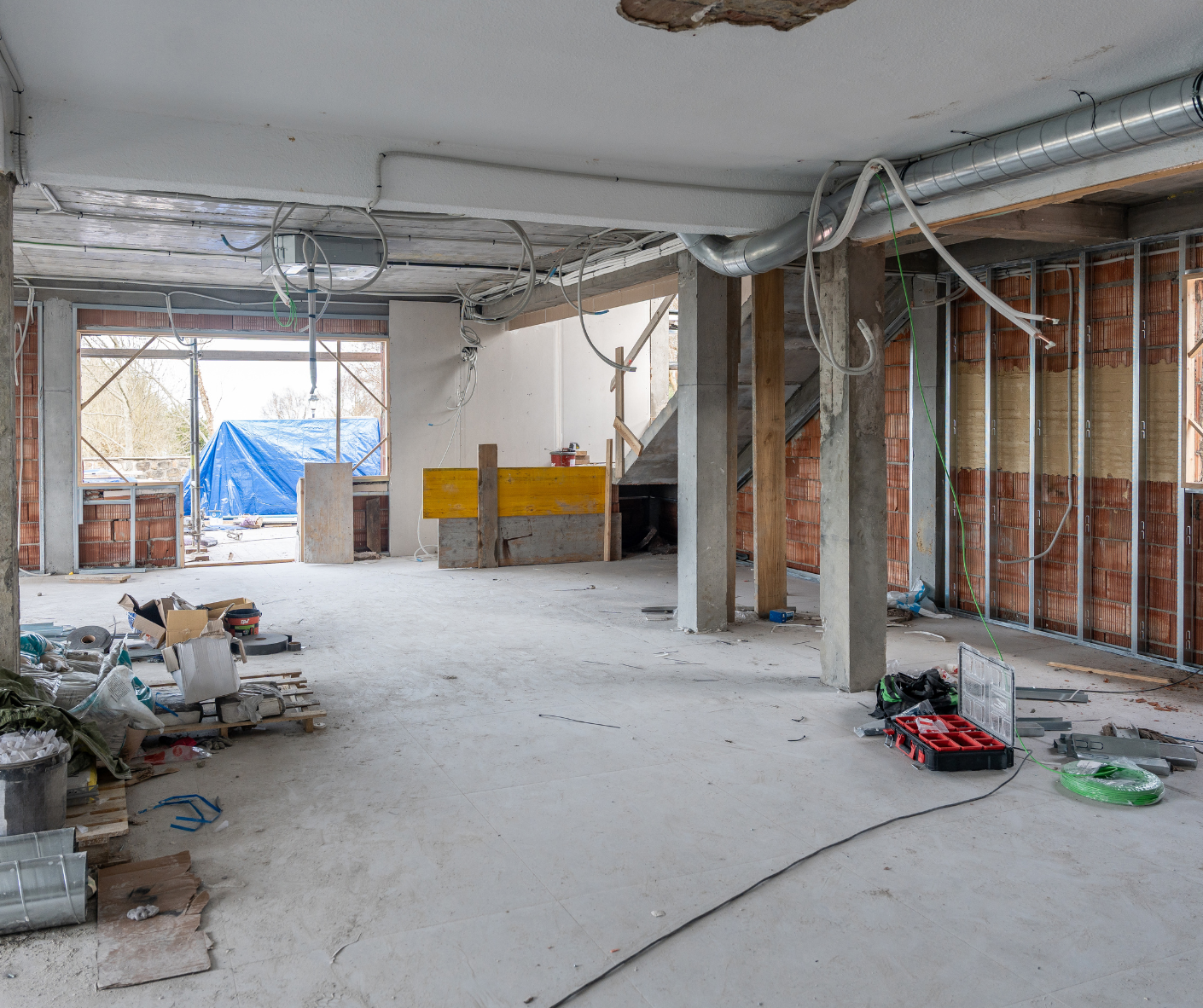
A defit (also written de-fit) is the process of stripping a commercial tenancy back to its bare shell by removing the fitout a tenant has added, while the building's structure stays exactly where it is. Defits happen at two points. The first is when a tenant hands a space back at the end of a lease, and the second is when a new tenant needs an old fitout cleared before their own can go in.
At Laity Building, we carry out defits as part of our commercial work across Brisbane, and for many of our clients the defit is simply the first stage of their retail shop fitout. Clearing the space properly gives the new build a clean, known starting point, which makes it much easier to keep your project on time and within budget.
The Defit Meaning & What the Work Involves
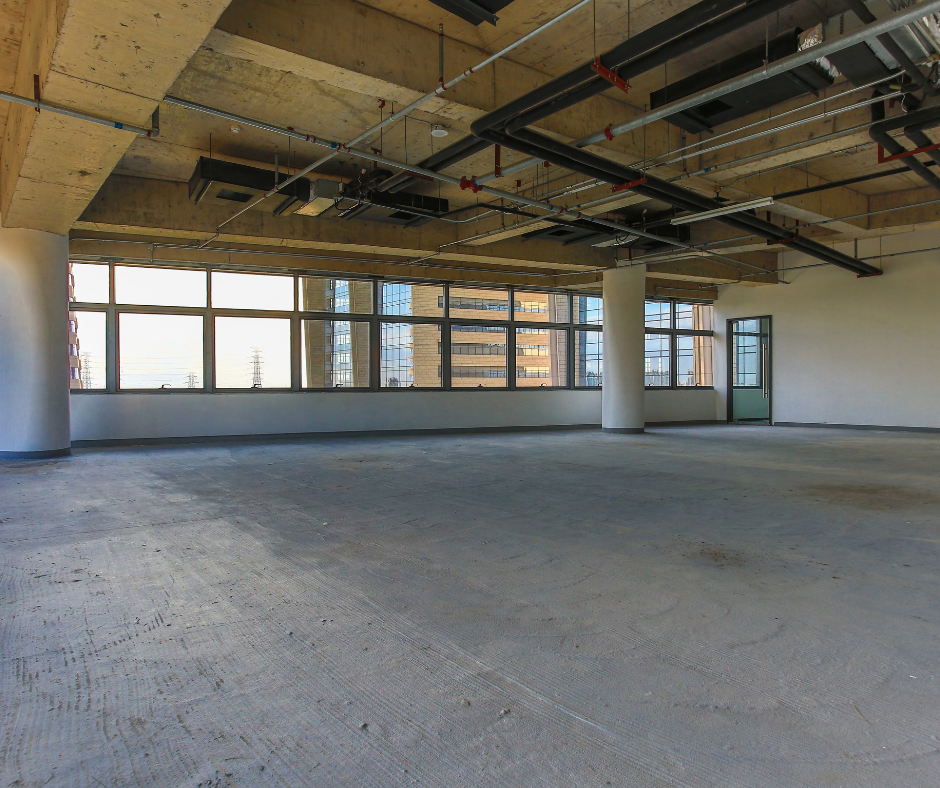
Think of a defit as a fitout in reverse. Everything the tenant built into the space comes out, and everything the building came with stays. The aim is to return the tenancy to base building condition, which is the state the landlord originally delivered it in, often a bare shell with basic services ready for the next fitout.
That starting condition isn’t identical from one tenancy to the next. If you’ve come across the terms warm shell and cold shell, they describe how much a landlord provides before any fitout begins, and the right choice between a warm shell vs cold shell depends on the business moving in.
What Gets Removed
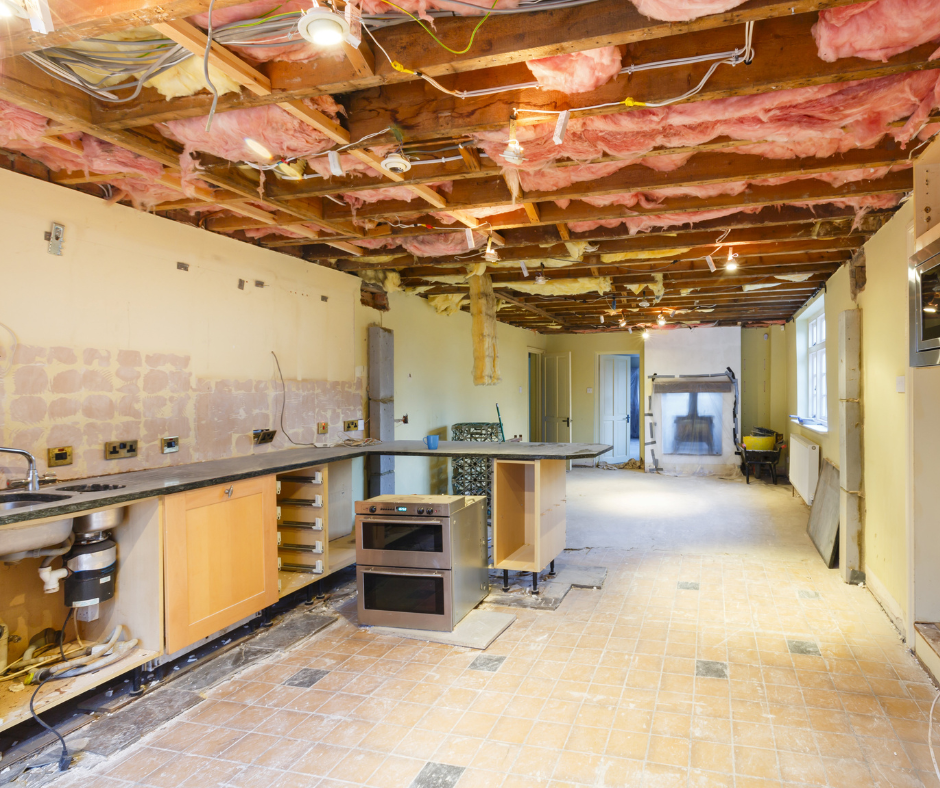
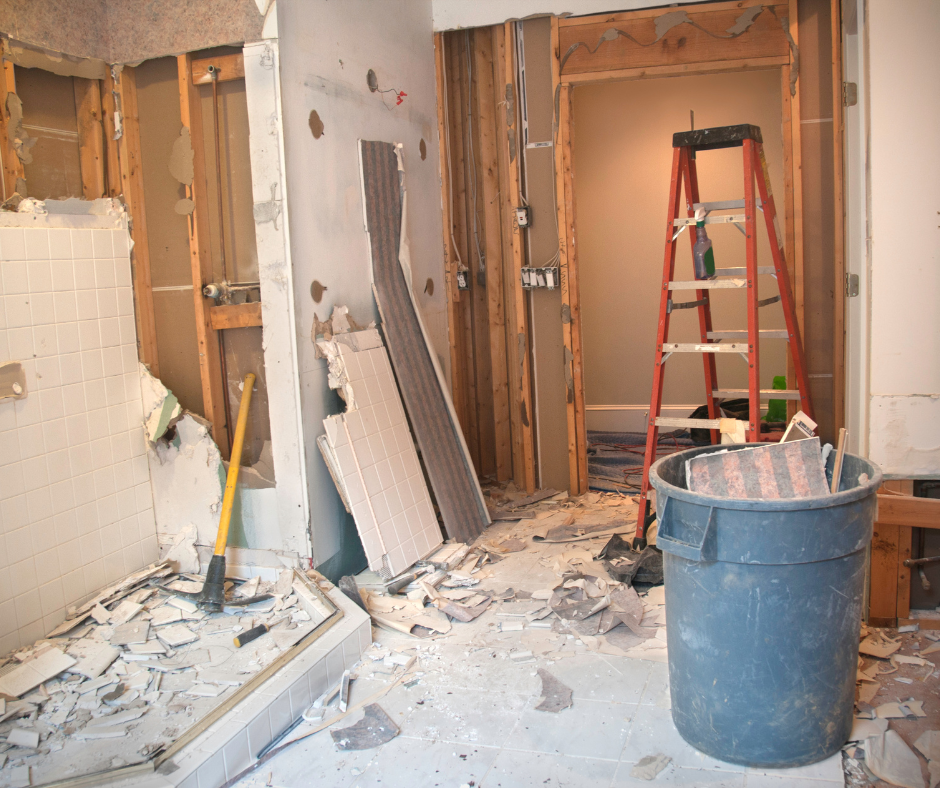
Every tenancy is different, but a typical retail or commercial defit takes out the following.
- Non-structural partition walls, doors and any glazing the tenant added
- Suspended ceilings, bulkheads and feature lighting
- Carpet, vinyl, tiles and the adhesive left behind underneath
- Joinery, counters, display units and built-in storage
- Signage, window decals and glass frosting
- Tenant-installed services, which licensed trades disconnect and make safe
Once everything is out, we patch and repair any damage, repaint walls and ceilings where needed and finish with a thorough clean so the space is ready for inspection.
What Stays in Place
The clearest rule for defining a defit is what it leaves alone. A defit never touches the building’s structure. Load-bearing walls, columns, the concrete slab, the roof and the main services feeding the tenancy all stay put. That’s the main difference between a defit and a demolition. With the right planning, it also means a defit can happen inside a busy shopping centre or commercial building while the businesses around it keep trading.
Understanding the Difference Between a Defit & Make Good
These two terms often get used as though they mean the same thing, and on site they do overlap. They aren’t quite identical, though, and the difference matters when you’re working out what you owe at the end of a lease.
Make good is an obligation. It’s a clause in your commercial lease that sets out the condition you need to return the premises in when you leave. A defit is the physical work that gets you there.
Depending on how your lease is written, the clause might ask you to do any of the following.
- Remove only the improvements you added during your tenancy
- Strip the space right back to a bare shell
- Patch, repaint and reinstate standard items such as ceiling grids or lighting
- Clear all signage, decals and branding
In other words, the lease sets the scope, not personal preference. Two shops side by side in the same centre can have completely different handover obligations.
Expert tip. Bring your lease along to the site inspection. We scope every defit against what the lease actually says, so you’re not paying to remove things the landlord is happy to keep, and you’re not caught out at handover by something that should have come out.
Defining Defit, Strip Out & Demolition
Walk onto any commercial site, and you’ll hear a handful of terms that sound interchangeable. They each describe something slightly different.
A strip out is the general removal of everything inside a building that isn’t structural. Every defit is one type of strip out, done at a particular moment for a particular reason, usually to meet a lease obligation or to clear a tenancy for a new fitout. Full demolition is another job entirely, because it takes down the structure itself.
| Term | What It Is | When It Applies | Who Usually Arranges It |
|---|---|---|---|
| Defit | Removal of a tenant’s fitout back to the original shell | End of a lease, or before a new fitout | The outgoing tenant, or the incoming tenant if agreed with the landlord |
| Make good | A lease clause that sets the handover condition | End of a lease | Set out in the lease, usually the tenant’s responsibility |
| Strip out | Removal of all non-structural elements | Renovations, refurbishments and defits | The owner or tenant, depending on the project |
| Full demolition | Removal of the whole structure | Redevelopment of a site | The building owner |
These four are only a small part of the fitout terminology that turns up in quotes and leases, and knowing what each one means makes those conversations with landlords and builders far easier.
Do You Need a Defit Before Your Retail Fitout?
In a lot of cases, yes. It comes down to the state the space is in when you take it on and what your lease says. A defit comes into play in two situations, and the second is the one retail business owners tend to overlook.
At the End of a Lease
This is the situation most people have heard of. When your lease ends, the make good clause usually requires you to remove your fitout and return the space to the condition the lease describes. Many of our retail and office fitout clients bring us in for this stage as well, so the handover is organised properly and the final inspection doesn’t become a sticking point.
Before a New Fitout
Plenty of retail projects actually start here. If the outgoing tenant didn’t strip the space, or only cleared part of it, you may inherit their counters, shelving, flooring, bulkheads and signage. Very little of it will suit your brand, your layout or the way you want customers to move through the store.
Clearing that old fitout gives your new build a clean starting point. It also brings hidden issues to the surface early, such as damaged flooring, ageing services or wall linings that need repair, while there’s still room in the programme to deal with them. With the old fitout gone, the focus can shift to fitting out a shop that matches your brand and budget from the ground up.
Talk to Your Fitout Team Before You Sign the Lease
The best time to sort this out is before the lease is signed. While the terms are still open, it’s far easier to negotiate who removes the old fitout and what the landlord is including in the base building works. Our shopfitting team can look over the space with you and point out what will need to come out before your new design goes in.
How to Decide
A few quick questions will usually tell you where you stand.
- Has the previous tenant already stripped the space back to a bare shell?
- Does your lease, or your agreement with the landlord, say who is responsible for removing any remaining fitout?
- Is any of the existing fitout genuinely useful for your business, or will it all need to go?
- Are there visible issues with the floors, ceilings or services that need attention before you build?
If the space is already a clean shell and the lease is clear, you may not need a defit at all. Where there’s an old fitout in the way, a defit is almost always the first step. It’s also worth asking whether any of it can stay. Reusing elements that are in good condition is something we look at on every project, because it saves waste and can save time on the build.
What the Defit Process Looks Like
Every defit we take on follows the same basic sequence, scaled to the size of the space and what the lease requires.
1. Inspect & Scope Against the Lease
We walk the site with you, review the lease and agree exactly what needs to come out and what stays. Getting this right at the beginning is what keeps variations to a minimum later on.
2. Work Through Approvals & Centre Rules
Shopping centres and managed buildings usually have site rules, access times and approvals to work through with centre management before anything starts. We coordinate all of this so the job isn’t held up on day one. Sorting out any fitout permits early is part of the same step, so approvals are in place when the work begins.
3. Make Services Safe
Before any removal begins, licensed trades disconnect and make safe the tenant’s electrical, plumbing and data services. This protects everyone on site and keeps the building’s main services running for the tenancies next door.
4. Strip the Space
We remove the fitout in a planned order, protecting the structure and neighbouring tenancies as we go. Because our team can work nights and weekends, the noisiest stages can happen outside trading hours. Working after hours in this way keeps disruption low for shoppers, staff and neighbouring tenants.
5. Repair, Clean & Hand Over
With the space clear, we patch any damage, repaint where needed and leave the tenancy clean and ready for inspection. That could be a landlord handover or the first day of your new fitout.

Reuse, Recycling & What Happens to the Old Fitout
Stripping out a tenancy creates a surprising amount of material, and much of it still has life left in it. When timber, metal, glass and ceiling tiles are sorted properly on site, they can be recycled instead of trucked to landfill, and items like joinery units in good condition can often be reused as they are.
Keeping waste out of landfill matters to us at Laity Building. On every fitout, we look for materials that can be reused or recycled, and where it suits the design, refurbished pieces can find their way into the new fitout. It’s a lighter footprint for the environment, and reusing what’s already there can help keep your project costs in check.
It’s a shift happening across the industry too, with state government data showing construction and demolition waste recovery in Queensland has grown considerably in recent years. Those same principles sit at the heart of sustainable office fitouts that reduce waste while still delivering a quality finish.
Getting Your Defit & Fitout Right From the Start
A defit takes a commercial space back to its bare shell, ready to be handed back or turned into something new. At the end of a lease, your lease decides how far it needs to go. Before a new retail fitout, it’s often the step that gets the whole project off to a clean and predictable start.
If you’re weighing up a new retail space or getting ready to hand one back, we’re happy to take a look and tell you what’s involved. We’re QBCC licensed and members of Master Builders Queensland, so we can manage both the defit and the fitout that follows. Get in touch with our team to talk it through.
Key Takeaways
- A defit removes a tenant’s fitout and returns a commercial space to base building condition, leaving the structure untouched.
- Make good is the lease obligation that sets the handover condition, and a defit is the work that meets it.
- Every defit is a form of strip-out, but it’s tied to a lease or a new fitout rather than a general renovation.
- Retail businesses often need a defit before their fitout when the previous tenant’s shop fittings are still in place.
- The best time to settle who handles the defit is before you sign the lease.
- Separating materials during a defit means more of the old fitout can be reused or recycled instead of going to landfill.
Frequently Asked Questions
What does defit mean?
The simplest defit meaning is the removal of a tenant’s fitout so a commercial space returns to its original shell. It covers partitions, ceilings, flooring, joinery and signage, but not the building’s structure. You’ll also see it written as de-fit, and both spellings refer to the same work.
What is the difference between a defit and make good?
Make good is a clause in your lease that describes the condition you need to return the premises in. A defit is the physical work that achieves that condition. Some leases also call for repairs, repainting or reinstating standard items, so the defit scope should always match what your lease actually says.
What is included in a defit?
Most defits involve removing partition walls, ceilings and bulkheads, floor coverings, joinery, shopfittings, signage and window decals. Licensed trades disconnect and make safe the tenant’s services. Once the space is clear, we patch any damage, repaint where needed and clean the site ready for inspection.
Is a defit the same as a strip out?
Not exactly. A strip out is the general removal of everything non-structural from inside a building, for any reason. Defits are strip-outs done for a specific purpose, usually to meet a lease obligation or prepare a tenancy for a new fitout.
Do I need a defit before a retail fitout?
If the space still holds the previous tenant’s fitout, you almost certainly will. Old counters, shelving, flooring and signage rarely suit a new brand or layout, and clearing them gives your fitout a clean starting point. If the space has already been returned to a bare shell, you may be able to move straight into your fitout.
Who is responsible for the defit, the tenant or the landlord?
In most cases, it falls to the outgoing tenant, because their lease requires them to return the space in a set condition. When you’re taking on a space that hasn’t been cleared, who arranges the defit can often be negotiated with the landlord before you sign. Every lease is different, so read yours carefully and get legal advice if anything is unclear.
How long does a defit take?
It depends on the size of the space, how much fitout needs to come out and any access rules in the building or centre. Once we’ve inspected the site and reviewed the lease, we can give you a clear timeline. We can also schedule the work outside trading hours to keep disruption to surrounding tenancies low.
What happens to the materials removed during a defit?
We separate materials on site so as much as possible can be reused, recycled or repurposed. Items in good condition, such as joinery or fixtures, can sometimes be refurbished and used again. Whatever can’t be saved is disposed of responsibly.
Can parts of the old fitout be kept for my new retail fitout?
Sometimes, yes. If flooring, ceilings or certain joinery are in good condition and suit your plans, keeping or reworking them can save time and reduce waste. We assess what’s worth keeping during the site inspection, before anything is removed.